




TONEWHEELS 2010 USA Tour
Posted in Announcement on April 8th, 2010 by admin
DATES
FRI 16 April: Buffalo NY–SoundLab, 110 Pearl Street: TONEWHEELS performance + Affecting Animate Nerve Organs (16 artist multi-media installation) [8pm]
(UPDATE!!!!) SUN18 April: Syracuse NY–Spark Contemporary Art Space: TONEWHEELS performance + Heavy Hymns [8pm]
TUE 20 April: NYC, NY–Electronic Music Foundation, 307 7th avenue ste 1402: “A Brief History of Optical Synthesis” lecture [7pm]
WED 21 April-THU 22 April: NYC, NY–Harvestworks: Soundtransit-The Art of Field Recording workshop [6:30pm each night] SOLD OUT!!!
FRI 23 April: NYC, NY–Bent Festival, Dumbo, 81 Front Street: TONEWHEELS workshop [12pm] performance [8pm]
TUES 27 April: NYC, NY–Electronic Music Foundation, 307 7th avenue ste 1402: Tuned City lecture [7pm]
THU 29 April: Providence, RI–Rhode Island School of Design: TONEWHEELS workshop
FRI 30 April: Providence, RI-AS220: TONEWHEELS performance + Black Pus (1/2 Lightning Bolt), Humanbeast and Shawn Greenlee [9pm]
(UPDATE!!! NEW LOCATION!!!) SAT 1 May: Cambridge, MA: Existence Establishment @ MIT Building N52, 265 Massachusetts Ave: TONEWHEELS performance + Karlheinz, Shawn Greenlee, Animal Steel, Brandon Terzakis, Benjamin Nelson, Bombings [8pm]
FLIERS
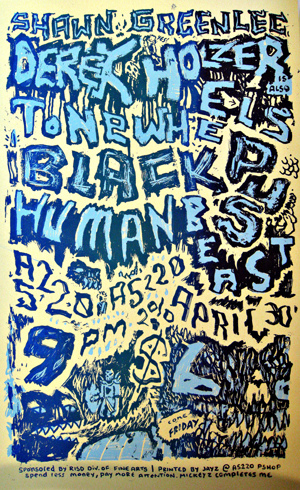
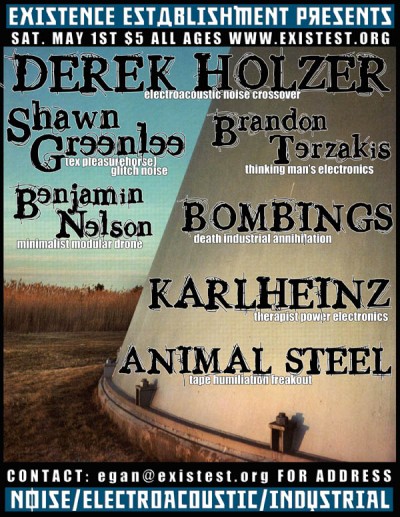
DETAILS
TONEWHEELS PERFORMANCE
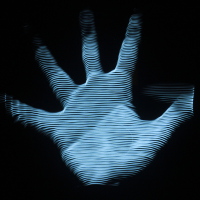
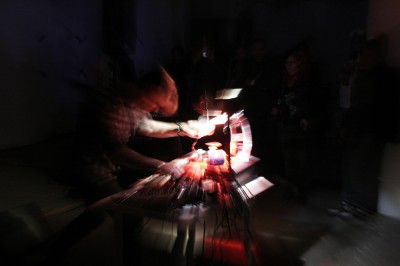
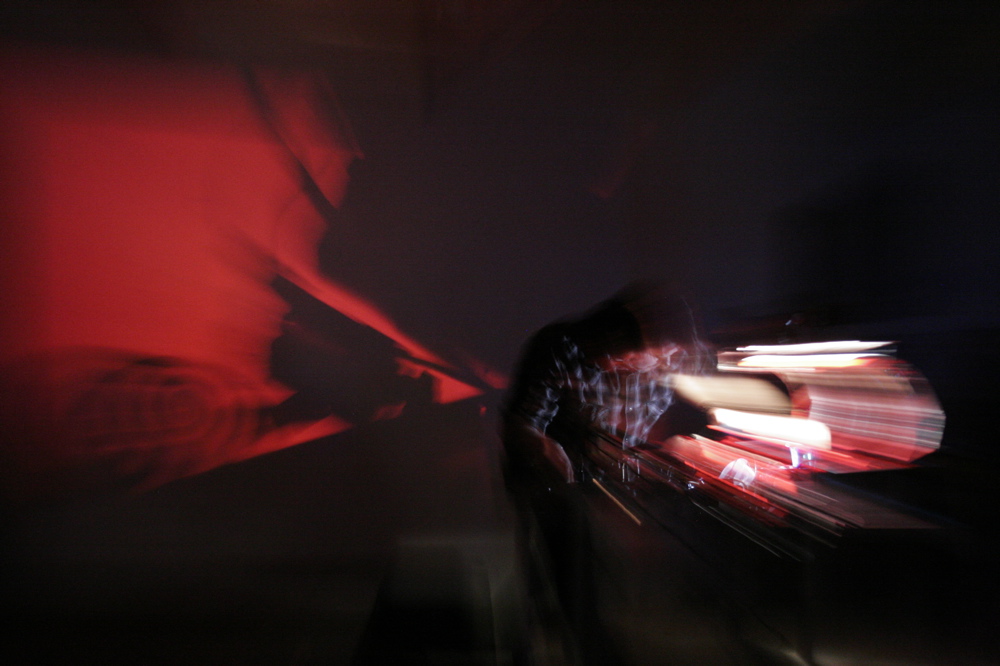
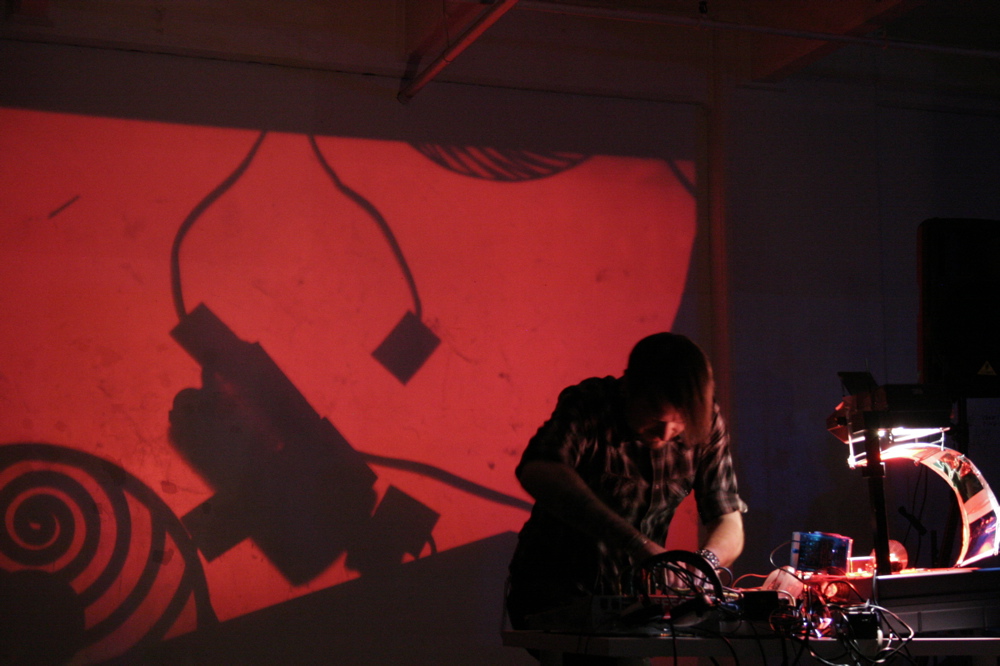
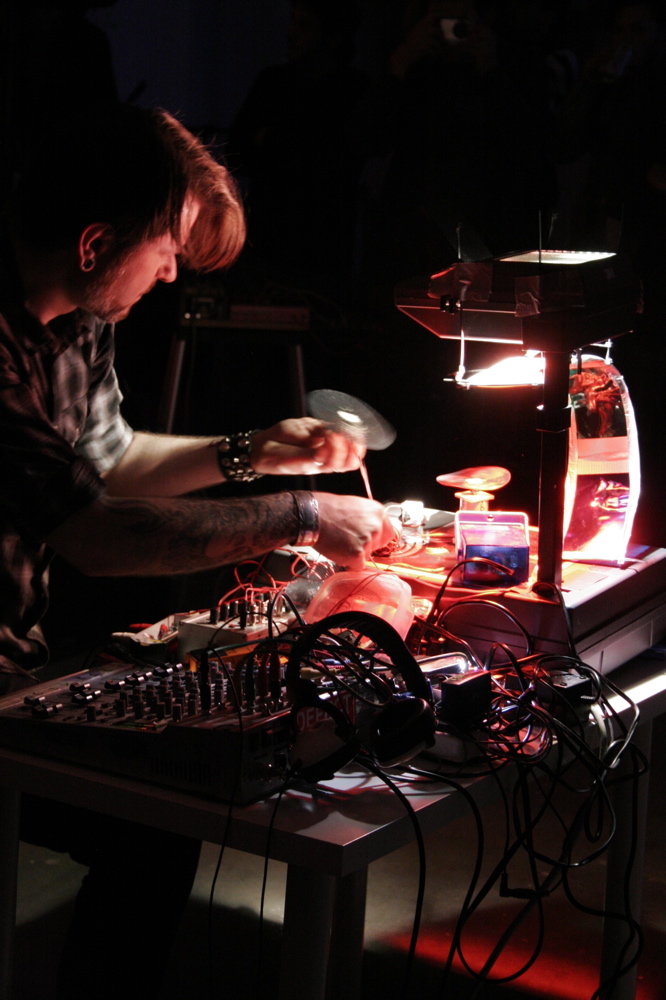
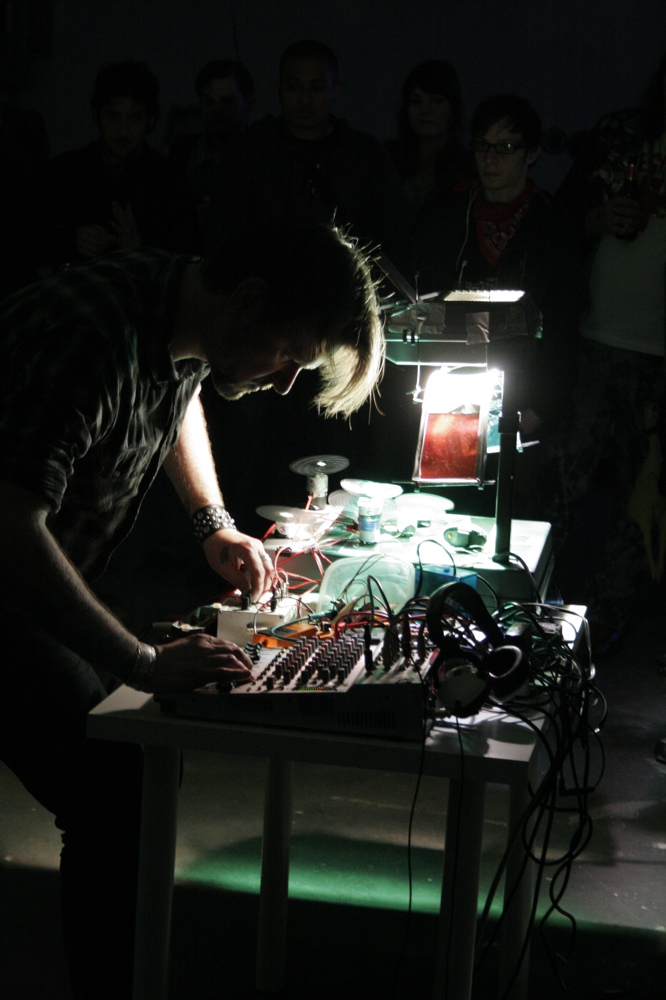
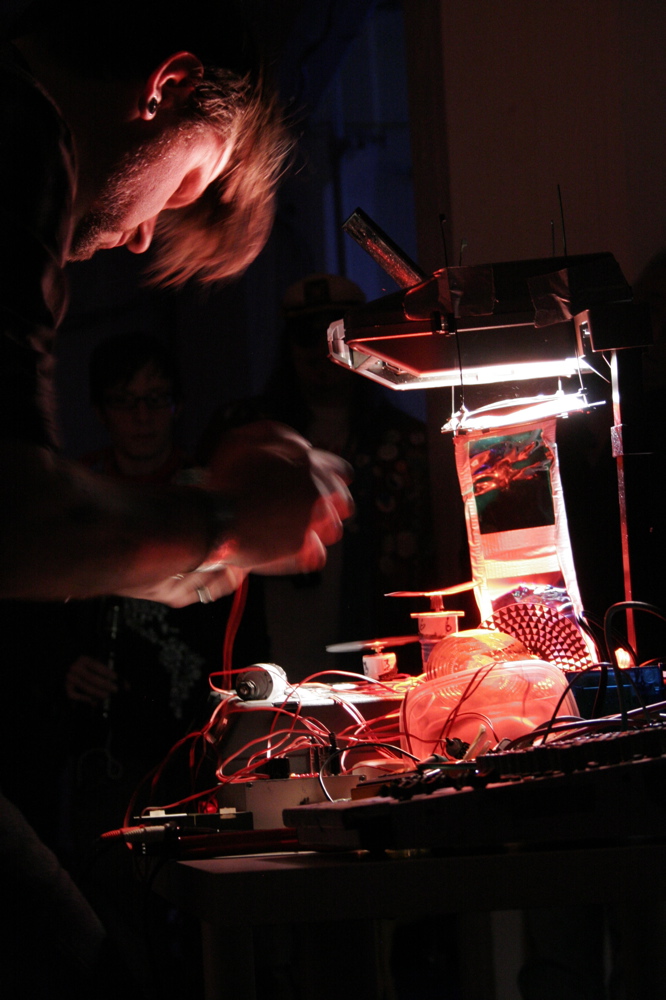
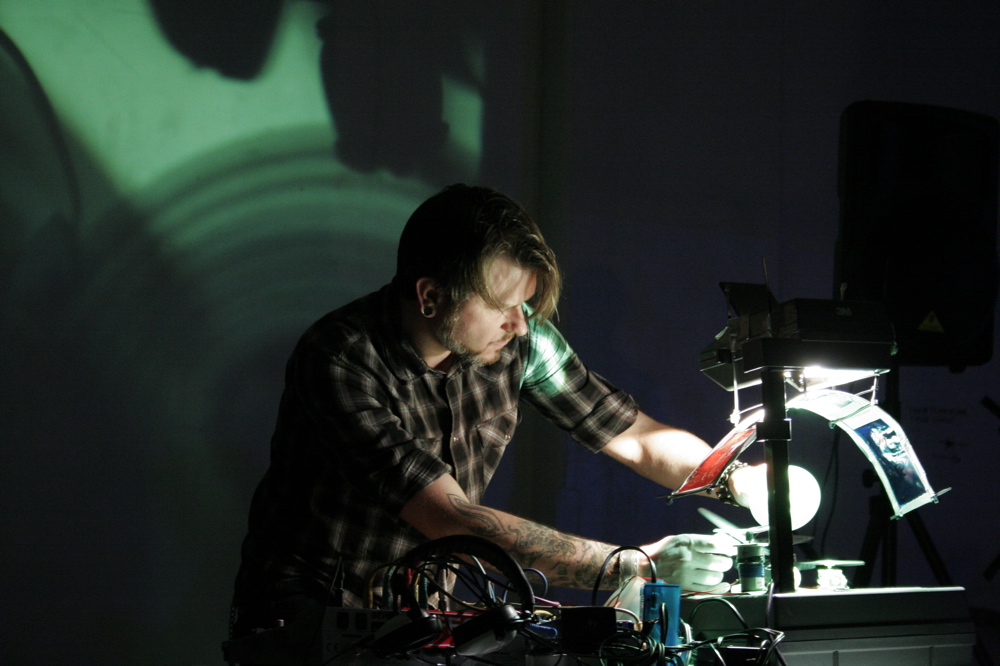
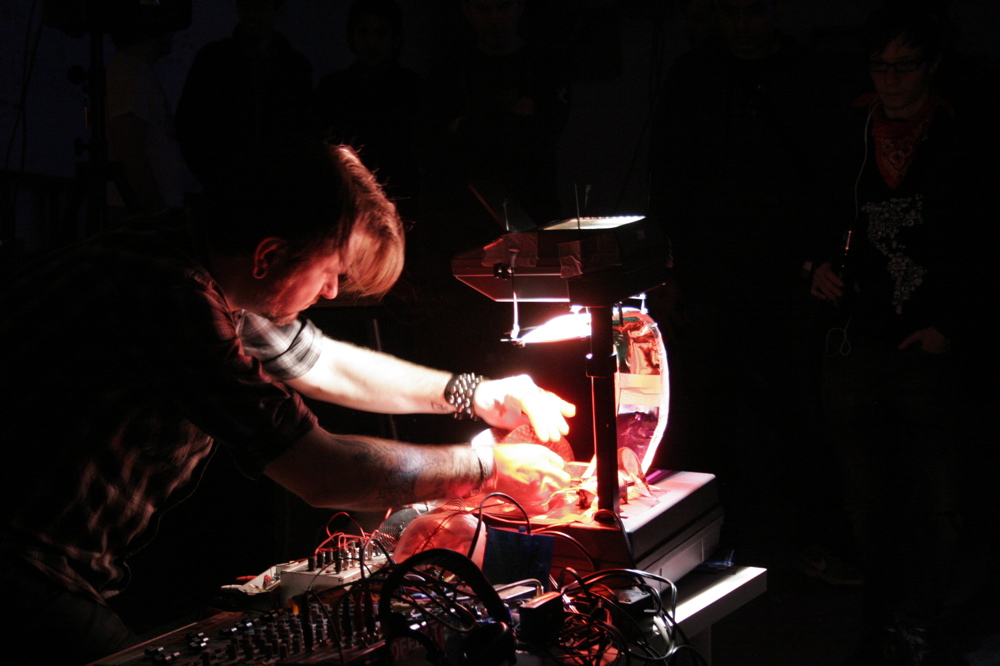
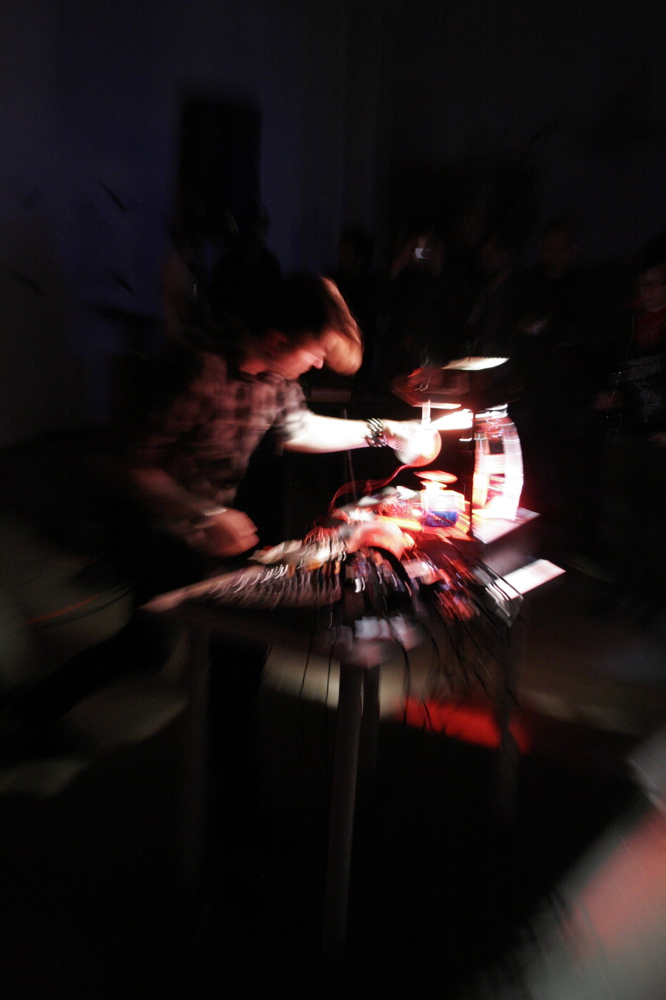
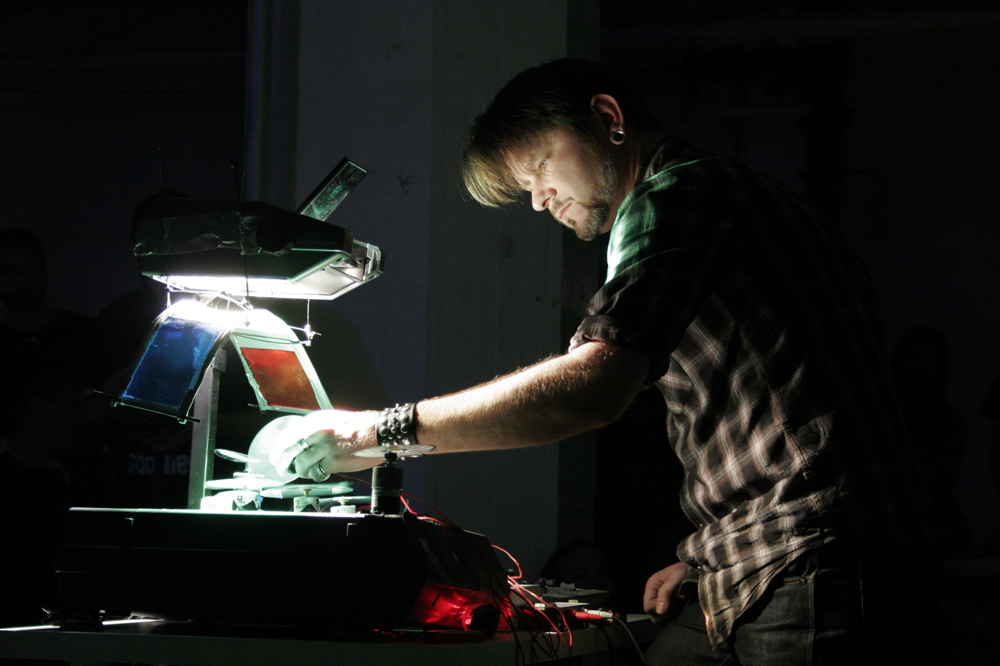
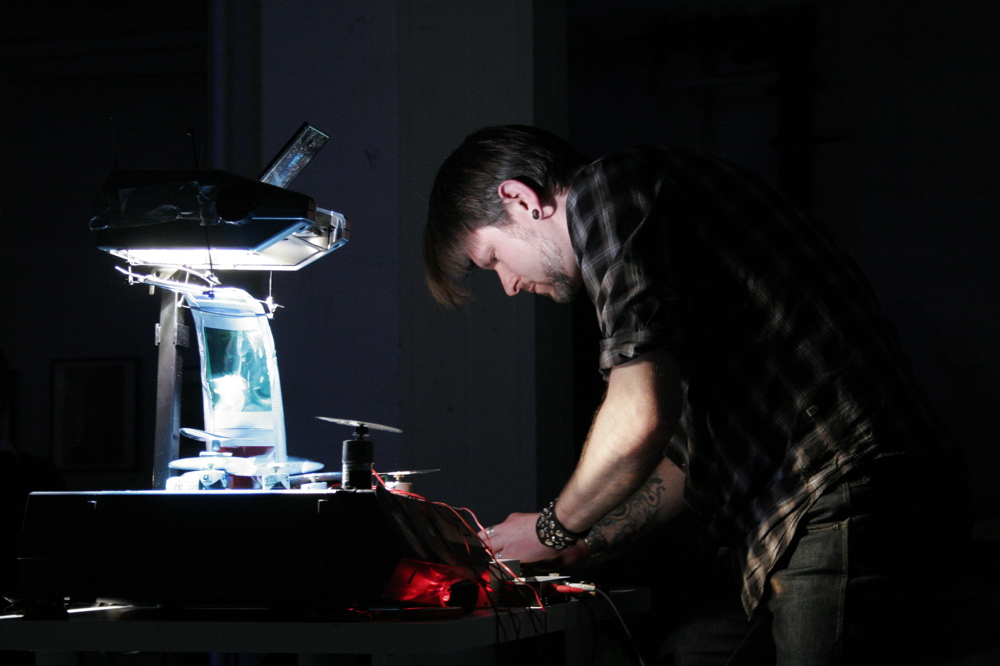
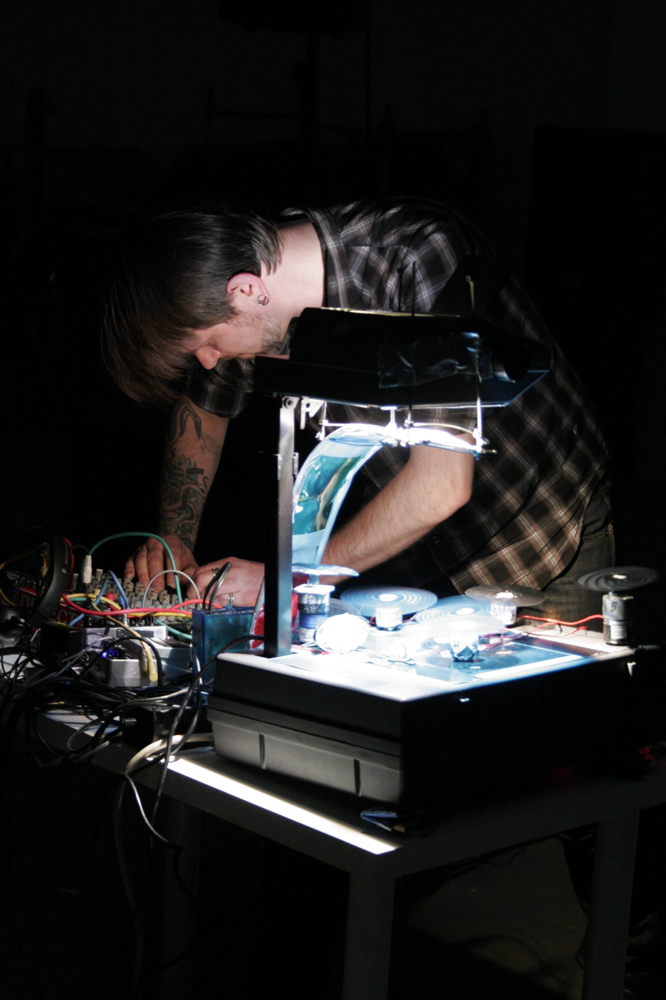
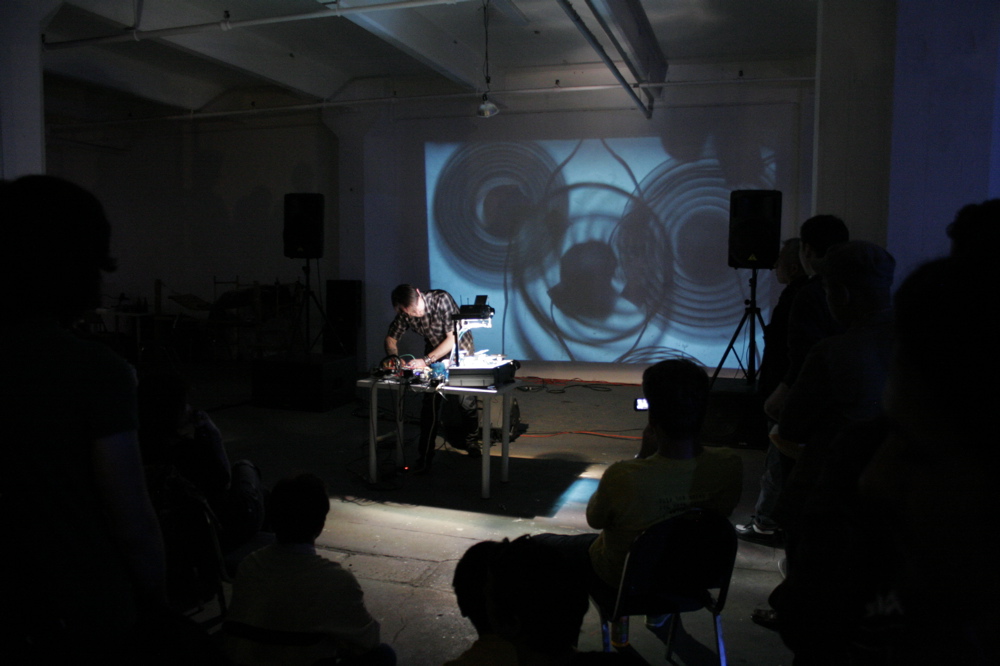
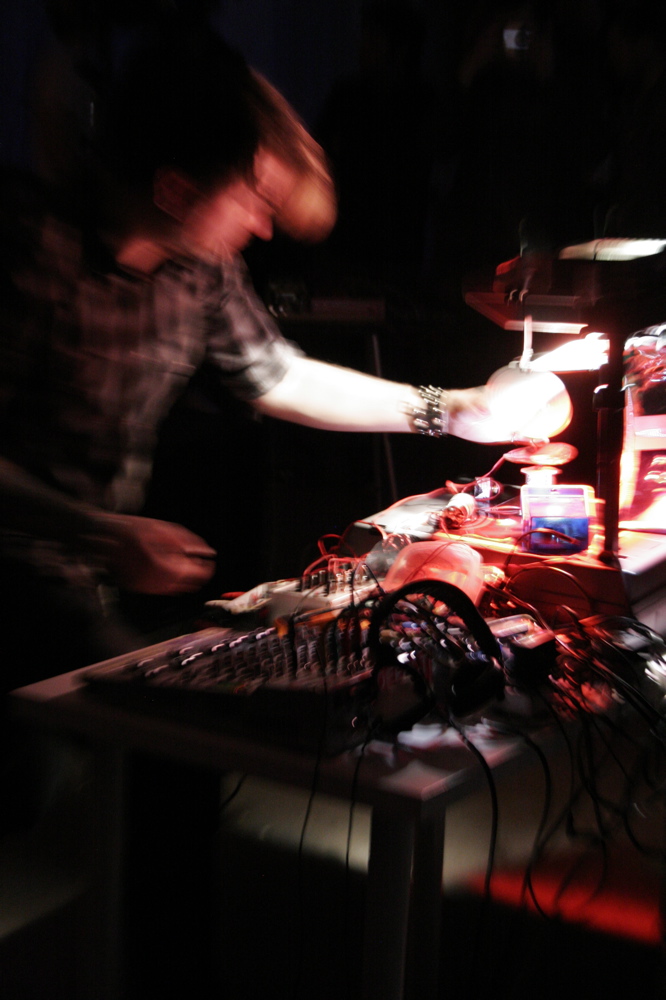
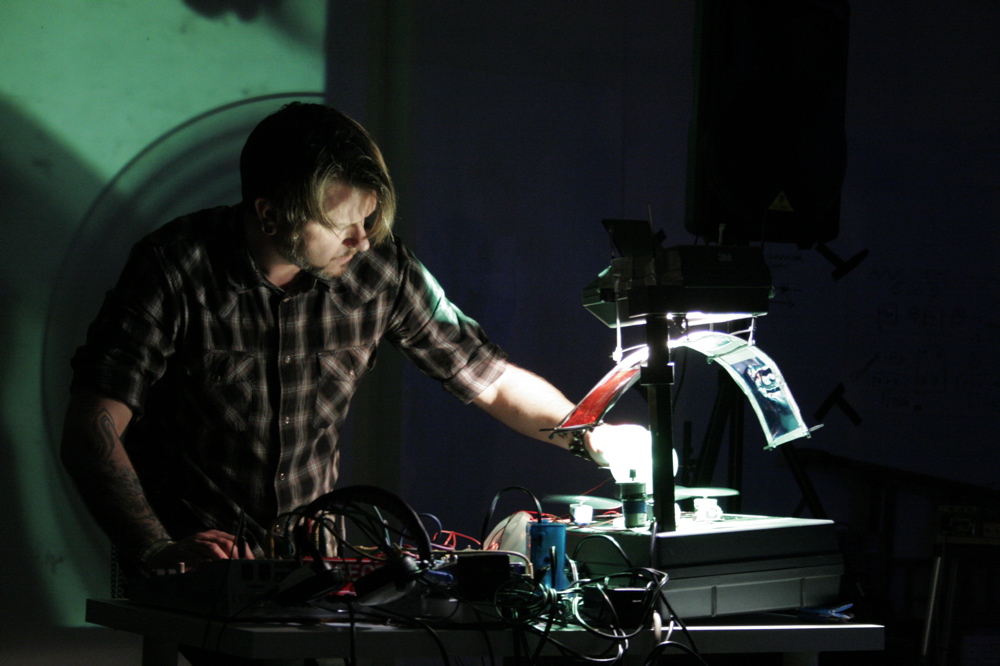
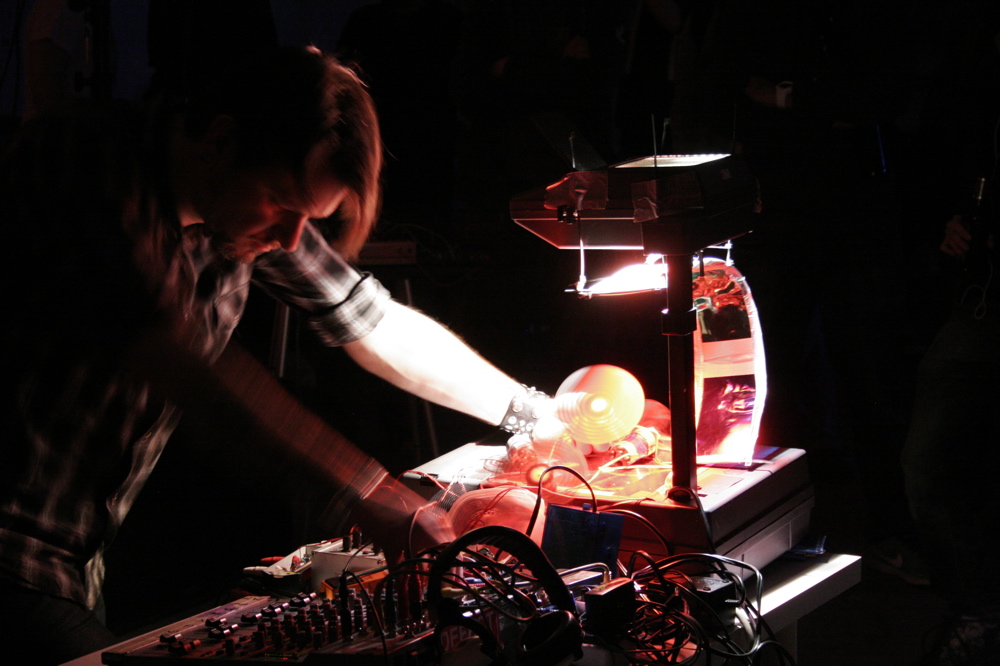
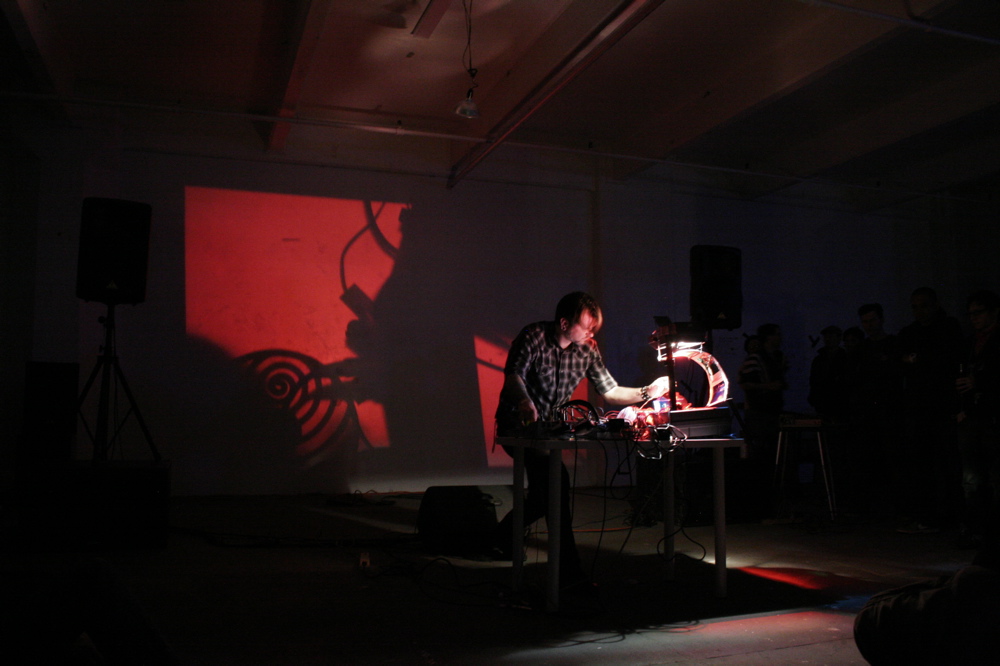
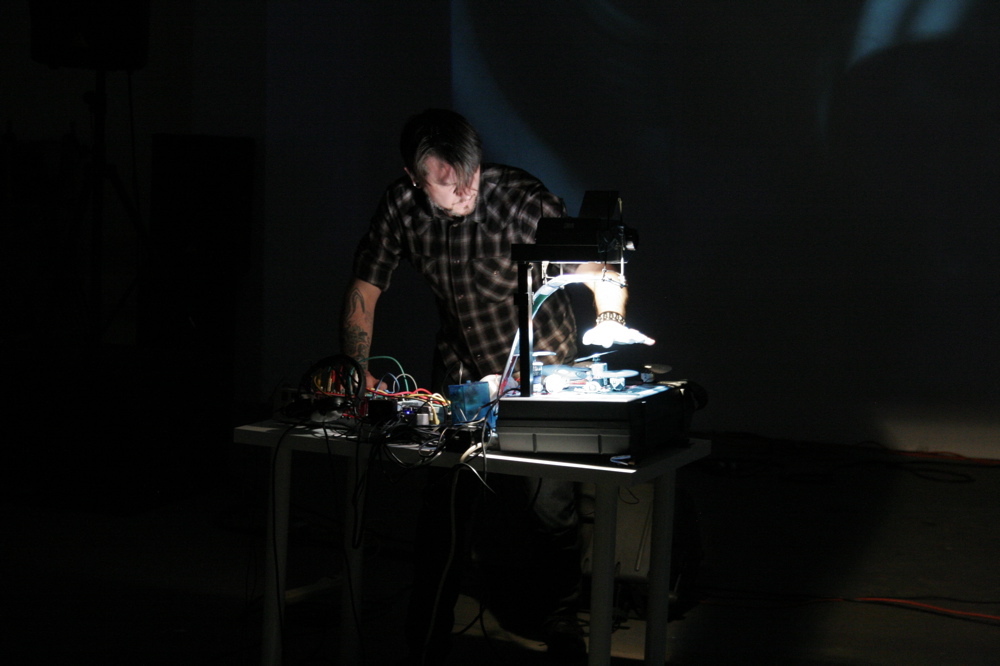
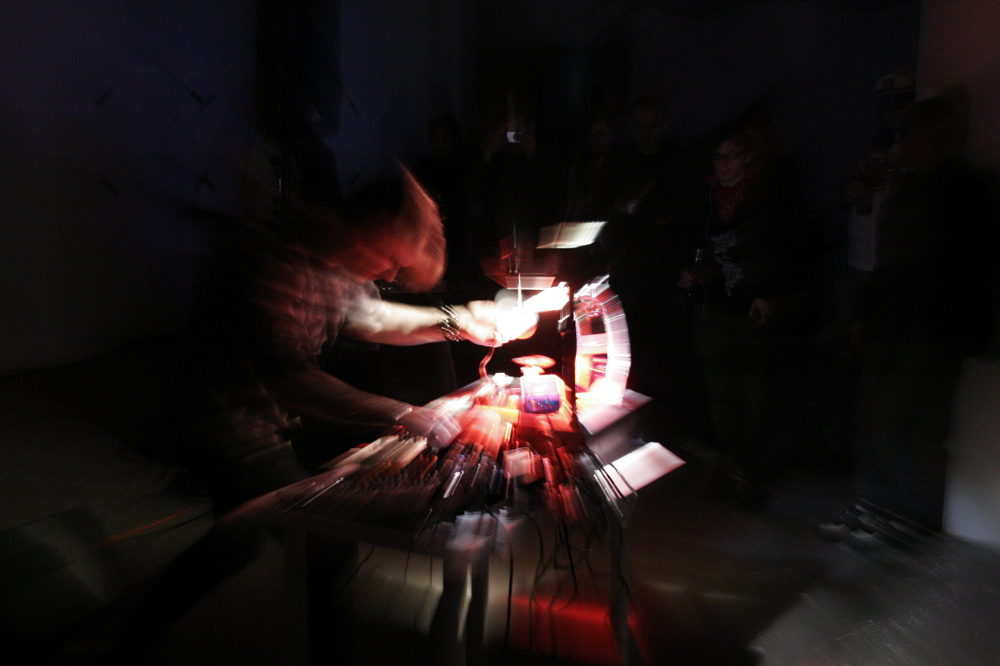
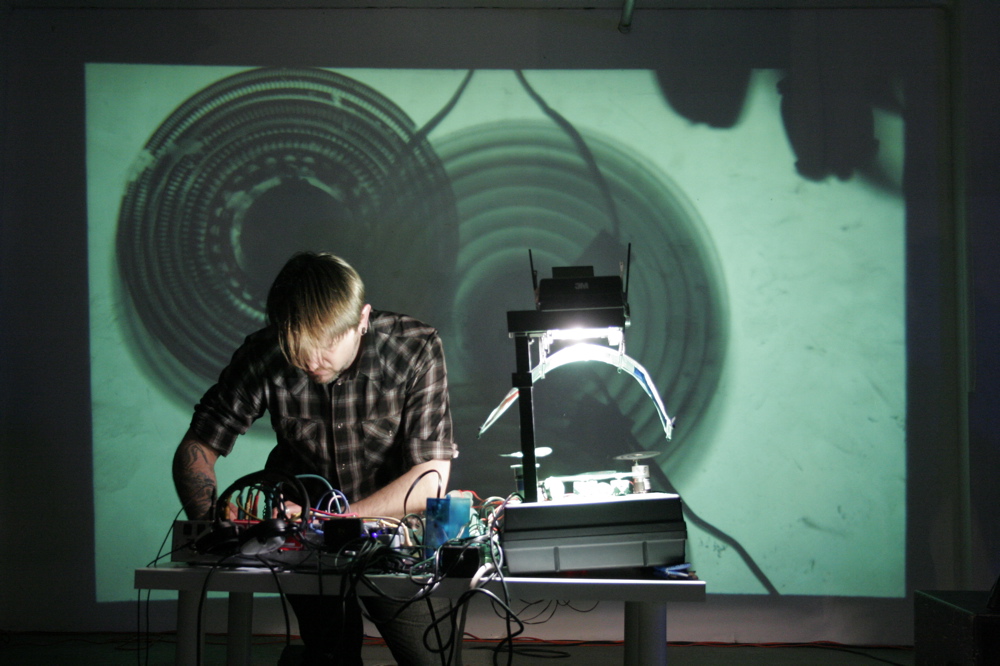
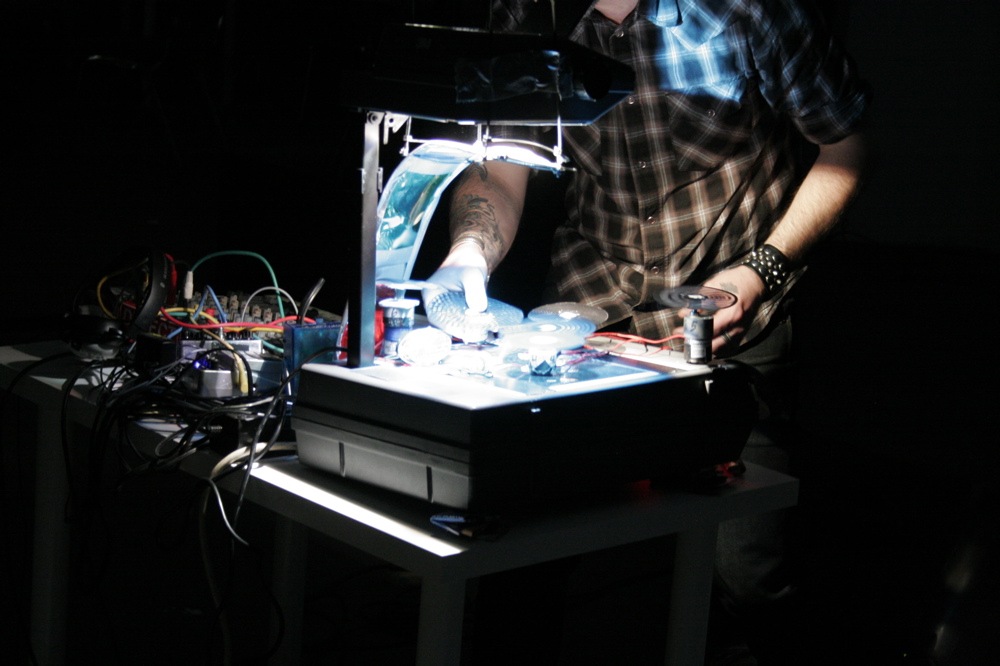
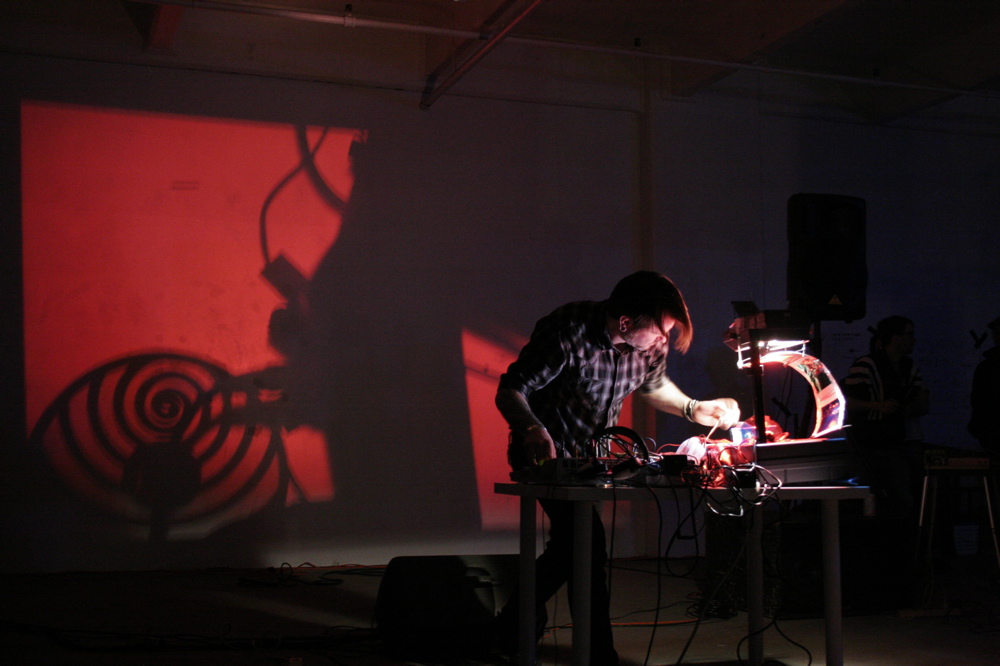
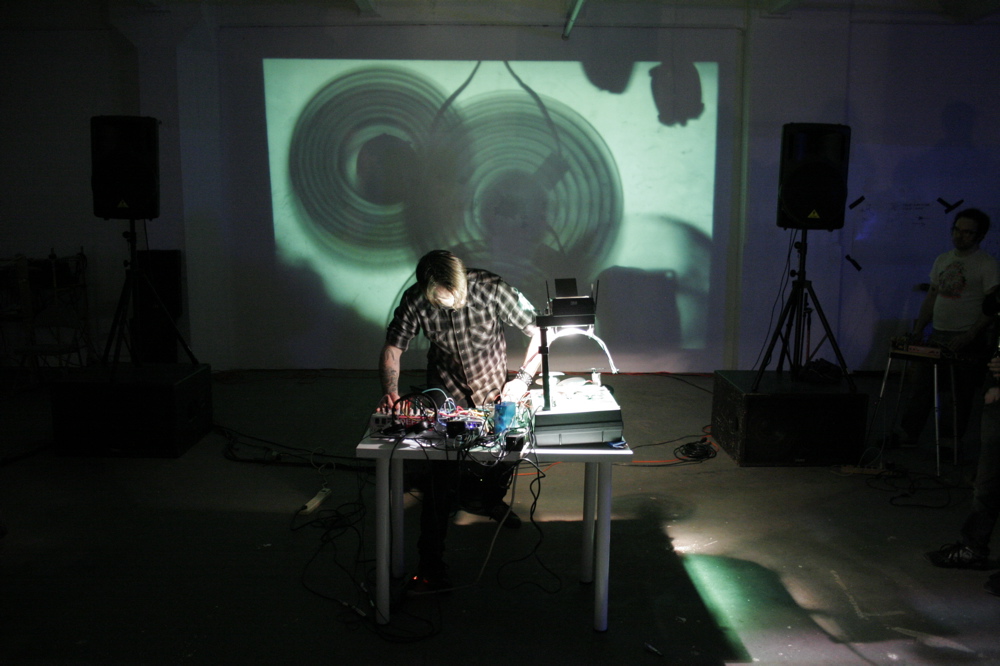
TONEWHEELS is an experiment in converting graphical imagery to sound, inspired by some of the pioneering 20th Century electronic music inventions. Transparent tonewheels with repeating patterns are spun over light-sensitive electronic circuitry to produce sound and light pulsations and textures. This all-analog set is performed entirely live without the use of computers, using only overhead projectors as light source, performance interface and audience display. In this way, TONEWHEELS aims to open up the “black box” of electronic music and video by exposing the working processes of the performance for the audience to see.
TONEWHEELS WORKSHOP
TONEWHEELS is an experiment in converting graphical imagery to sound, inspired by some of the pioneering 20th Century electronic music inventions such as the ANS Synthesizer (Murzin USSR 1937-57), the Variophone (Sholpo USSR 1930) and the Oramics system (Oram UK 1957). In this workshop, participants will learn to construct their own optoelectronic synthesizer using two different circuits: a simple light-to-sound converter and a variable motor speed controller, as well as how to design and print their own tonewheel patterns using the FLOSS software Inkscape.
“A BRIEF HISTORY OF OPTICAL SYNTHESIS”
The technology of synthesizing sound from light is a curious combination of research from the realms of mathematics, physics, electronics and communications theory which found realization in the industries of motion picture films, electronic music, surveillance technology and finally digital communications.
This lecture will touch on various points in the development of optical sound synthesis in these various contexts, referencing the work of Joseph Fourier, Hermann von Helmholtz, Rudolph Koenig, Arseny Avraamov, Thomas Wilfred, Evgeny Scholpo, Nikolai Voinov, Oskar Fischinger, Boris Yankovsky, Edwin Emil Welte, Evgeny Murzin, Norman McLaren, Lev Theremin, Daphne Oram, Jacques Dudon and Iannis Xenakis, among others.
This lecture is given in the context of the opto-electronic performance TONEWHEELS, by Derek Holzer at the Bent Festival the following Friday.
Soundtransit-The Art of Field Recording
Wednesday & Thursday, April 21 & 22 6:30 – 9:30pm $100
Field recording, or phonography, is the art of recording sounds as they are found “in situ”, rather than those created in a studio or concert hall. There are as many ways of approaching field recording as there are field recordists, with interests ranging from recordings of natural or urban environments to improvised situations or soundwalks to the resonance of solid objects or the Earth’s atmosphere.
The first session of this workshop provides a theoretical introduction to the various microphone techniques and recording strategies used for field recording, as well as special tools which allow phenomenon such as physical motion, electromagnetic waves and light can also be converted into sound. This will be followed by a night-time recording excursion into the city.
The second session consists of a critical listening session of the sounds gathered the night before. Key concepts to be explored include musical and cinematic metaphors of sound, composing the cityscape and communicating senses of place and space through sound.
Participants may wish to upload their finished recordings to the Soundtransit.nl website, where they can be used to plan sonic journeys between hundreds of locations around the world.
While the instructor can provide one shared recorder and microphone, participants should bring their own recording equipment when possible. Derek Holzer can provide a simple pair of binaural microphones for sale at a cost of approx $35. They terminate in a right-angle stereo minijack plug, and use the plugin power from the stereo microphone input of the recorder. Please indicate before the workshop date if you would like to buy a pair, and please check that your recorder provides this plugin power (most with minijack stereo mic inputs do) before requesting them.
“Tuned City – Between sound and space speculation”
“Tuned City – Between sound and space speculation” was an exhibition and conference project taking place from July 01.-05. 2008 in Berlin which proposed a new evaluation of architectural spaces from the perspective of the acoustic. It’s next edition is scheduled to take place during the Cultural Capital summer of 2011 in Tallinn, Estonia.
In this lecture, we will see and hear some of the projects from the Tuned City event by Mark Bain, Raviv Ganchrow, Will Schrimshaw, John Grzinich, James Beckett, Akio Suzuki, Barry Blesser, Randy H.Y. Yau + Scott Arford, Thomas Ankersmit + Antoine Chessex, Bernhard Leitner, CRESSON, Farmers Manual, AGF, Chris Watson + BJ Nilsen, Jacob Kirkegaard, Martin Howse, Ralf Schreiber + Martin Kuentz and Staalplaat Sound System will be discussed, among others, as well as related projects covering the themes of Temporary Architecture for Sound, Buildings as Instruments and Composing the Cityscape. A limited number of catalogs and program guides will also be available.
Thanks!
Huge thanks go to Alexis Bhagat of ((audience)) and Shawn Greenlee of RISD for their monumental efforts to get this thing off the ground! Thanks also to Brendan Byrne of Bent, Joel Chadabe of EMF, Hans Tammen of Harvestworks, Egan Budd of Existence Establishment, Natalia Mount of Red House, Michael Baumann of Soundlab and Sean Donaher of CEPA for actually booking me, and to Gill Arno, Raphael Lyon and Tristan Perich for putting up crash space in NYC.
Now Playing
Carl Gustav Jung–Dreams[book 1910-1952]
Pierre Klossowski–Roberte Ce Soir & The Revocation of the Edict of Nantes[book 1953]
Neanderthal Electronics at Ptarmigan, Helsinki
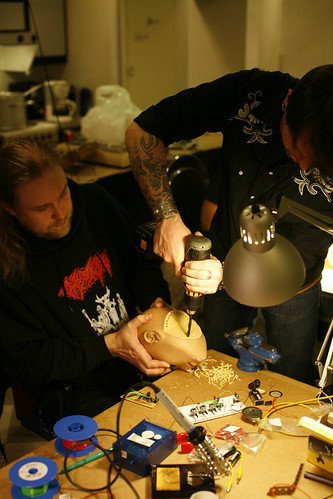
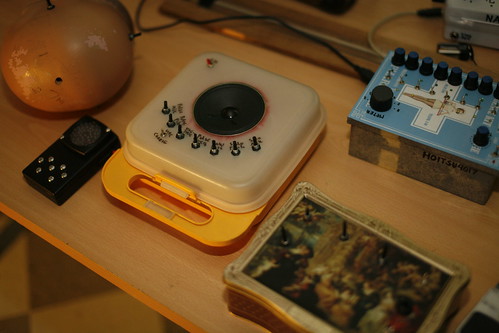
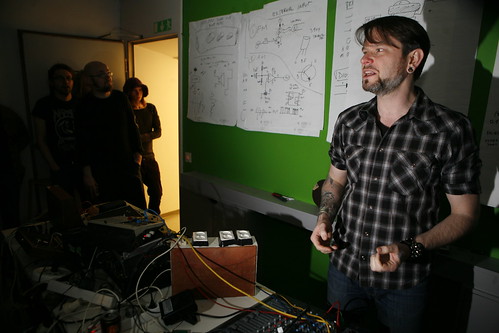
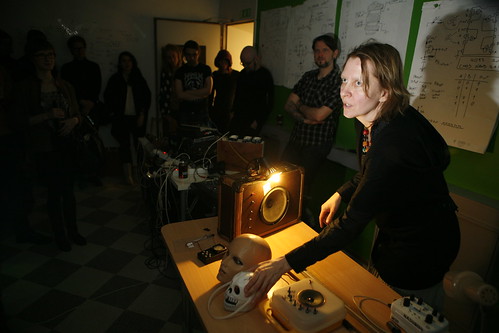
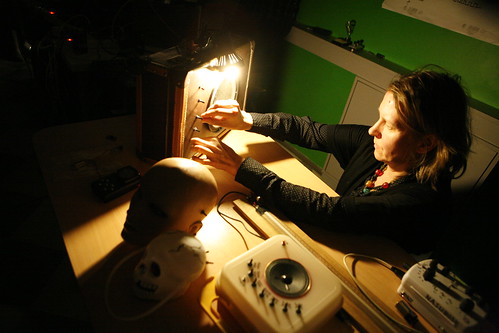
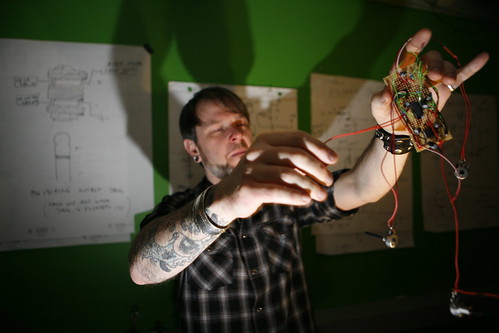
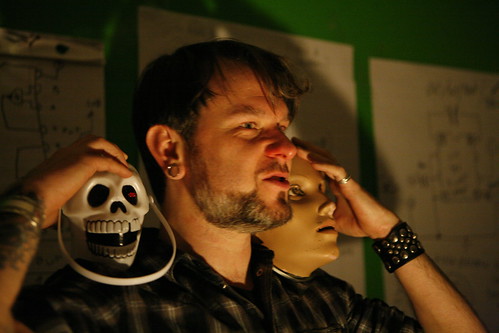
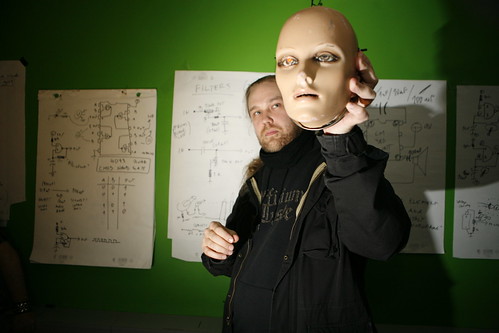
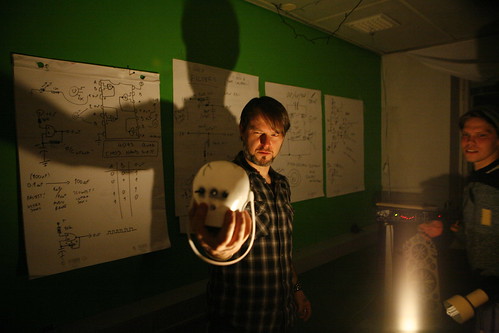
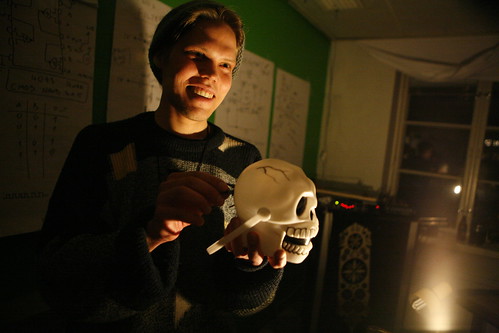
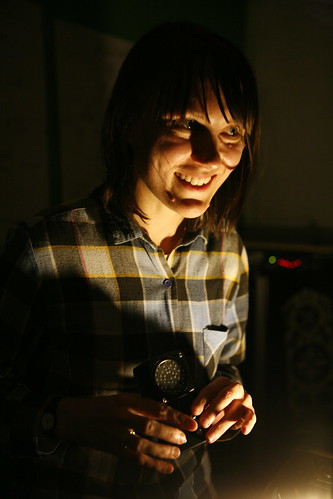
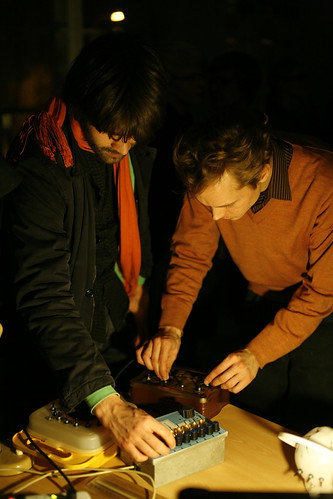
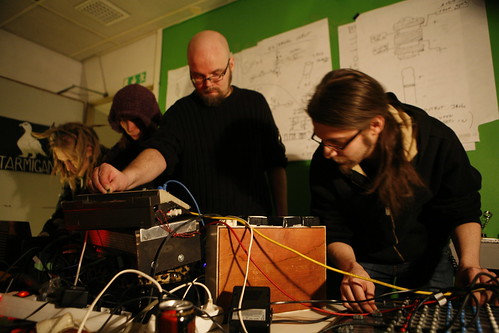
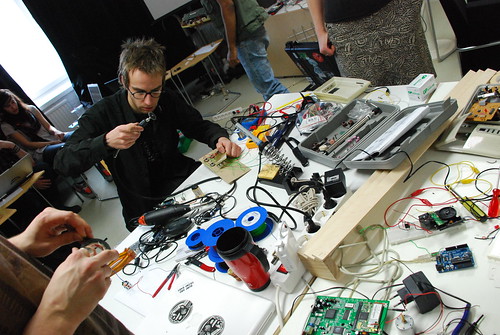
Posted in Documentation on March 20th, 2010 by adminImages from the Neanderthal Electronics workshop at Ptarmigan, Helsinki, 13-15 March 2010. Thanks to John W. Fail of Ptarmigan and Antti Ahonen of Pixelache for putting the whole thing together, and for KOELSE for making some noise at the presentation as well.
Photos by Antti Ahonen.
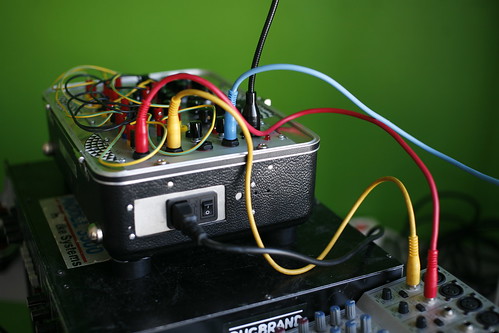
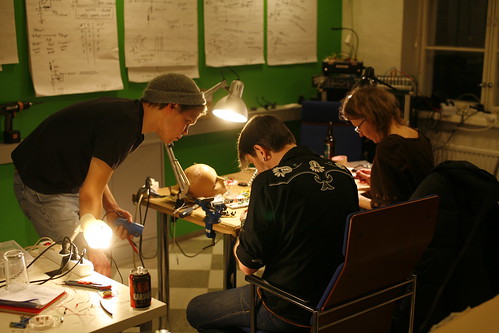

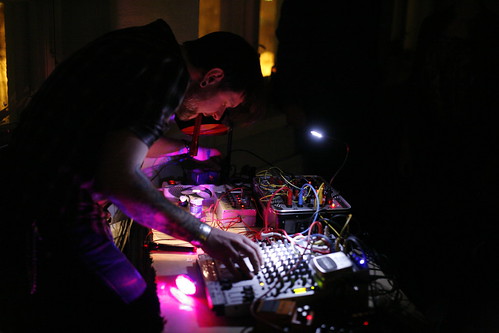
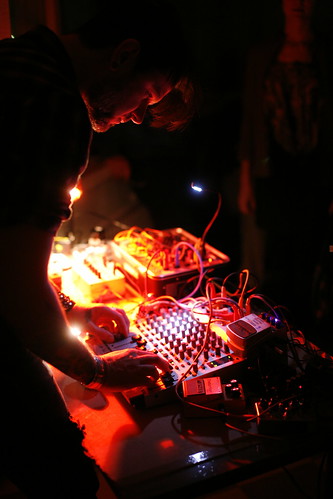
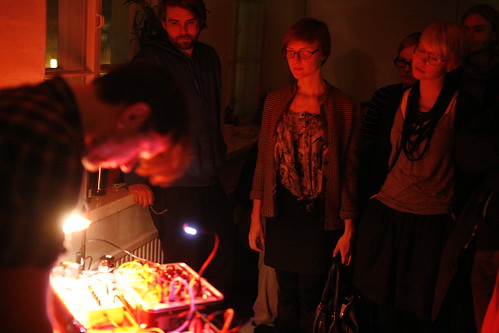
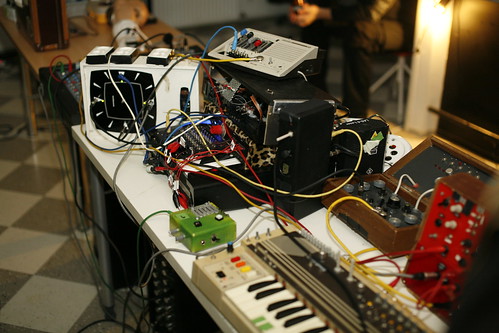
Mechanical Sound Instruments workshop, TAIK, Helsinki
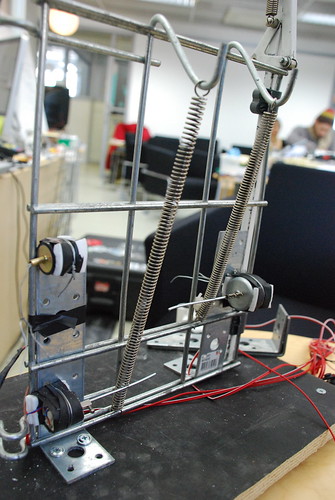
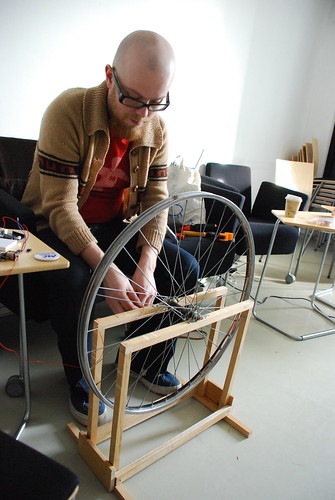
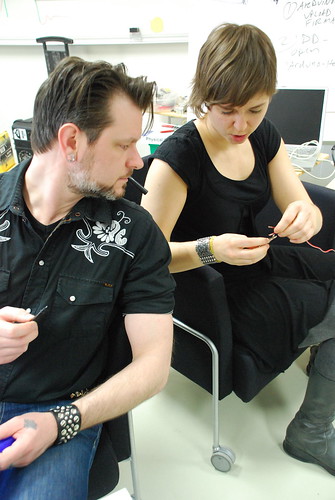
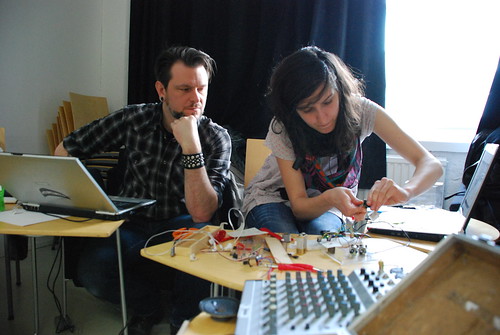
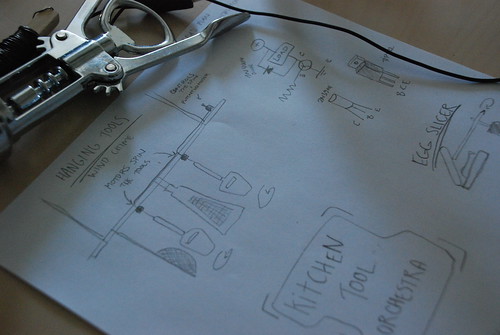
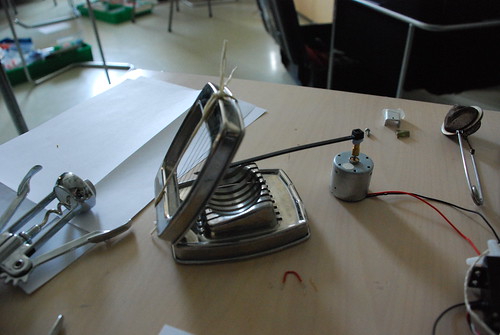
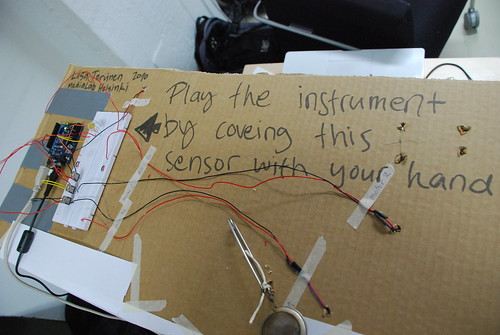
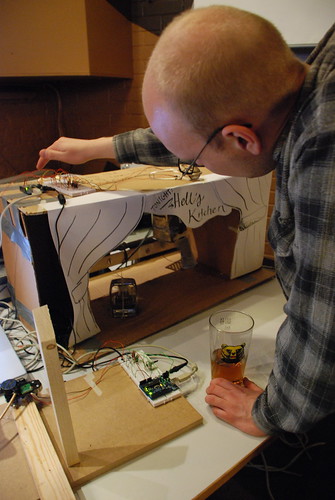
Posted in Documentation on March 20th, 2010 by adminImages from a Pure Data + Arduino motor & sensor workshop I taught for students of the Media Lab at TAIK (Taideteollinen korkeakoulu/University of Art and Design) Helsinki, 8-12 March 2010. Thanks to Antti Ikonen for inviting me!
Photos by Liisa Tervinen

[video] Nu Fest Padova interview
Posted in Documentation on March 19th, 2010 by admin
Nu Fest 2010 – Derek Holzer interview for RadioBlue.it
A somewhat silly interview with the Padova student internet radio and television at Nu Fest, 19.02.10.
Now Playing
boris morgana–muuan sali cs[2010 self release][kiitos juuso!]
opec/jazzkammer–monilinien/we forgive you lp[2005/2009 posh isolation][tak jonas!]
roberta settels–isolation! (meinhof in memorium) lp[1985 music in conflict/2007 BIN records][tak jonas!]
silvester anfang ii–commune cassette[2010 blackest rainbow]
Up late with the Macumbista Mini
Posted in Documentation on March 5th, 2010 by admin
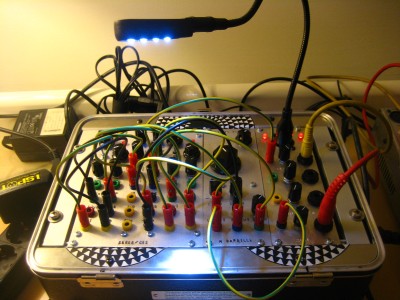
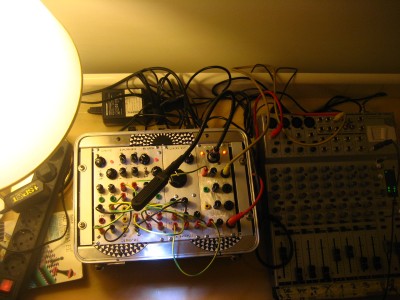
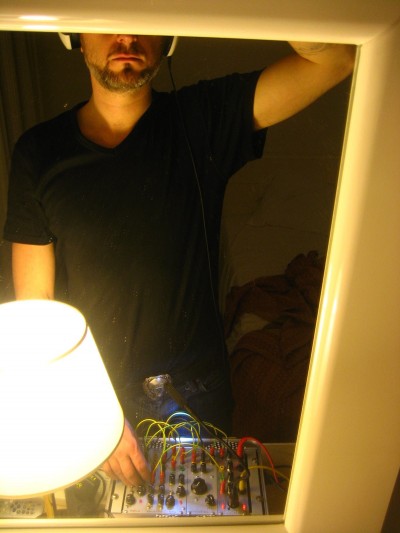
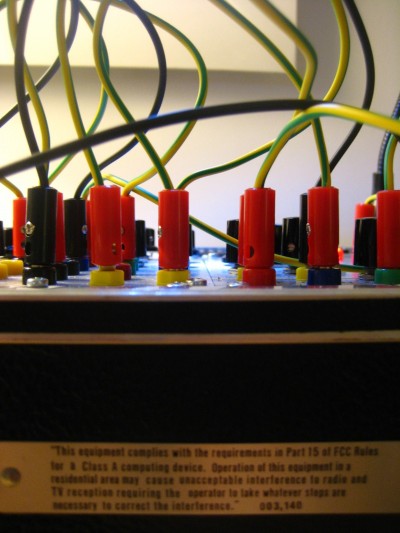
I brought the new, improved Macumbista Mini with me on my last trip to Italy. What better idea could you have after drinking red wine in the bars until late, than to go back to the hotel, put the headphones on and freak out? I was honestly astonished the next morning–astonished that I hadn’t lost my hearing ’cause the phones were cranked way the hell up!
Now Playing
eleh–location momentum[2010 touch]
Interview for Bent Fest, NYC
Posted in Text on March 1st, 2010 by admin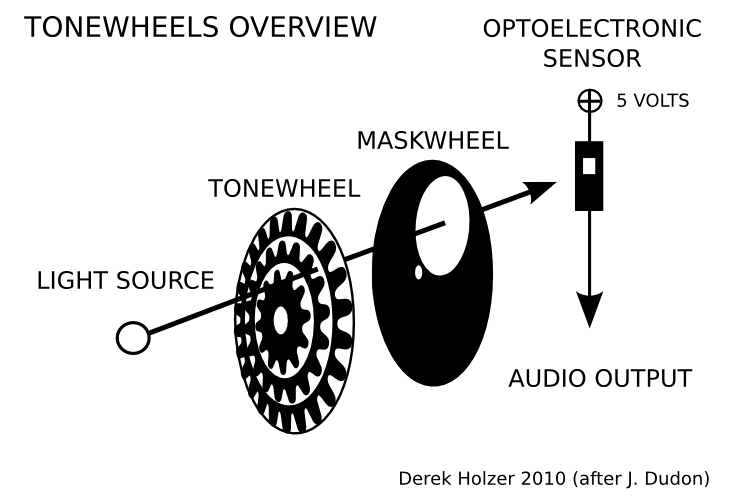
The following is an interview I completed this evening for the Bent Festival in New York City, where I’ve been invited to perform TONEWHEELS and give a workshop over the weekend of 23-25 April 2010.
> *Bent:* /Before you got into electronics, what type of music or art were you into?/
I’ve been involved in electronic, media and net art for the past 10 years, and although I make “electronic music”, I don’t listen to any contemporary dance or pop artists at all. A look through my record collection might turn up electro-acoustic composers from the 1960’s, old African funk 45’s from the 1970s, hair metal from the 1980’s or hardcore from the 1990’s, plus folk music from any number of East European, Middle Eastern or Asian cultures. Just no techno.
Right now, some elements of the noise scene like Daniel Menche or Kevin Drumm remain pretty exciting, as well as more conceptual people like John Wiese or Florian Hecker. On the historical side, composers like Eliane Radigue, Maryanne Amacher, Iannis Xenakis, Bernard Parmegiani and David Tudor have been big inspirations to me. I also listen to shit-load of drone, doom, death and black metal.
It’s good to remind yourself that nothing is really ever new or original, you can find the roots of anything if you look deep enough into the past.
> Bent:* /How did you get into electronics?/
Long ago, in a previous lifetime, I was studying writing in the university. Some things in my life changed dramatically as a result of my first stint living abroad, and when I returned to the States my new path was clear: doing sound, and in a place where there is genuine support for the arts (i.e. Europe)!
Instead of completing my thesis, I attempted to build my first synthesizer from an SN76477 chip, probably liberated from a pinball machine somewhere. It was a failure, and I spent the next several years doing digital audio instead. I finally came back to electronics about four years ago, when I was so sick of laptop “performances” I couldn’t stand it anymore, and soon after began the process of building my own modular synthesizer as well as designing the TONEWHEELS optoelectronic synthesizer.
> Bent:* /Where do you find inspiration for your work?/
The TONEWHEELS project was inspired by some of the pioneering 20th Century electronic music inventions, such as the ANS Synthesizer (Murzin USSR 1937-57), the Variophone (Sholpo USSR 1930) and the Oramics system (Oram UK 1957). With the help of Andrei Smirnov of the Theremin Center in Moscow, I did an incredible amount of research into the history of drawn sound and optical synthesis while I was designing the TONEWHEELS synthesizer. The experiments made with “painted soundtracks” in the Soviet Union during the 1930’s in particular are mind-blowing, and without the work of Mr Smirnov they would be unknown to the rest of the world.
I also spent several days at the Daphne Oram archives at Goldsmiths University in London, reading the letters between her and the engineer who helped her build the Oramics machine. It was fascinating! The same concerns she had, and the same learning process, were the hurdles I had to jump in my own work.
You can see the results of my historical research here:
http://www.umatic.nl/tonewheels_historical.html
> *Bent:* /What is your take on the circuit bending community at large? Where are you in it?/
I’d have to say that I don’t consider myself a “circuit bender” exactly. It’s very rare that I take an existing consumer gadget and try to hack it. My approach tends to be to start with the most basic parts I can understand and work up from there. In the case of the TONEWHEELS project, that part is called a phototransistor, and my first experiment was simply to run 5 volts through it into a mixer channel and start flickering the lights in the room!
This might be where I part company from Reed Ghazala’s “antitheory” approach, which seems to be very popular among benders. For me, the possibilities come not from blindly sticking my fingers in things, but instead from understanding the materials I am working with and their specific properties. That said, I failed every math class I was ever forced to take and still maintain a rather intuitive relationship with those materials, which is hardly the way a “real” engineer might work!
I’ve always maintained that the only thing that separates artists using technology now from the electronic art pioneers of the 1960s and 1970s–such as Steina & Woody Vasulka, Don Buchla, Serge Tcherepnin, Dan Sandin and David Tudor–is the internet. Whereas they had much more limited channels to find the information they needed, we have an almost limitless supply. Which is of course the other half of the problem–trying to get the signal out of the noise.
> *Bent: *Is there anything you want to accomplish while you are in New York?/
Finding a place to stay during the week I’m there is a good start!!!!!
But seriously…I’m negotiating to do a field recording workshop at Harvestworks as well as a couple talks at the Electronic Music Foundation on the history of optoelectronic synthesis and a project related to sound and architecture I’ve been involved in called Tuned City.
Besides that, I’m trying to look up the current locations of some of the old original audio and video synthesizers produced in the 1960’s and 1970’s, so I can see them up close. Every university I’ve been invited to speak at in the US and the UK all seem to have some analog treasure locked up in a closet somewhere!!!!
> Bent:* /Who are you most excited to see at Bent? Why?/
I’m quite excited to meet Eric Archer, from Austin Texas. He is performing as part of Handmade Music Austin. Eric and I have been writing for a year or two now, and his Light2Sound device is totally awesome, a really nice introduction to optical synthesis for beginners. I have a huge amount of respect for Eric and his creations–maybe because I have a suspicion he aced his math classes and actually had an idea what he would do with it later!
Now Playing
daniel higgs–devotional songs of daniel higgs[2009 open mouth cassette]
david tudor–three works for live electronics[1996 lovely]
godflesh–merciless[1994 earache]
jaques dudon–lumieres audibles[1996 mondes harmoniques](Thanks to Jonas Olesen, who pointed Dudon’s work out to me when I had overlooked it all this time…)
julian jaynes–the origin of consciousness in the breakdown of the bicameral mind[1976 book] (Thanks to Professor Anthony Moore of the KHM who reminded me of the longest title on my mother’s bookshelf when I was a child…and to my mother for digging it up for my birthday!)
nik raicevic–the sixth ear[1972]
ruth white–seven trumps from the tarot cards[1969]
steve birchall–reality gates: electronic meditations by steve birchall[2006 creel pone cdr]
various artists(andrzej dobwolski, bob cobbing & annae lockwood, daphne oram, eric nordgren, frederick charles judd, henri chopin, jean-luis brau, john mcclure, various junior & senior high school students, vladimir ussachevsky)–creelpolation 1 – 7″ singles[2006 creel pone] (Creel Pone, I fucking love you!)
yellow swans–being there[2010 type]
Neanderthals in HEL
Posted in Announcement on February 21st, 2010 by admin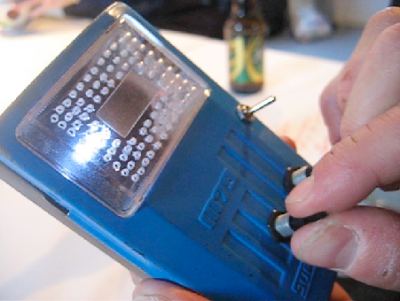
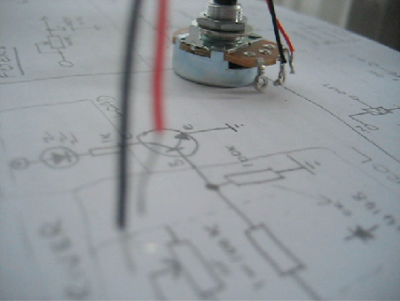
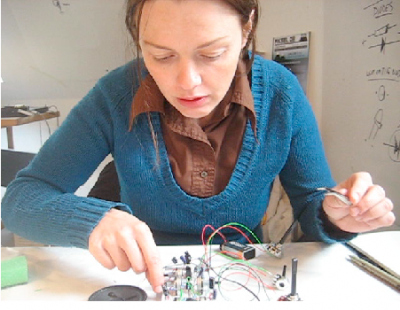
(Video stills from previous workshops in Bergen and Belfast)
Pikselache, Ptarmigan and Koelse have cooperated to present the Neanderthal Electronics workshop at Ptarmigan in Helsinki, 13-15 March 2010. On the last evening, Monday 15 March, the workshop participants will present their new instruments. I’ll also be playing a solo set for the Macumbista Mini along with sets by members of the Association of experimental electronics / kokeellisen elektroniikan seura (Koelse).
Ptarmigan is located at Nilsiänkatu 10, in the Vallila area of Helsinki. The workshop begins at noon each day and goes late. The concert will be at 20:00 on Monday 15 March. There might be a couple places left for this, contact info (at) ptarmigan.fi to check.
Info for the participants
Each participant is encouraged to find their own unique container, enclosure or interface to put their circuit inside of. An ideal enclosure is one which is both visually interesting and has some functional or performative aspects. You will have the chance to add sensors, switches, buttons and knobs to your enclosure, or perhaps some other, unforeseen method of control. Past workshops have seen synthesizers made from film cans, coconuts, children’s toys, super 8 cameras, cigar boxes, knaackebrod, books and hand-sewn masks. The choice is yours, but please try to locate one (or more) objects before the start of the workshop.
A few links to get your minds moving:
Neanderthal Electronics videos
Yoshi Akai
Gijs Gieskes
Arius Blaze
Ben Houston
Ciat-Lonbarde
For the promising young socialite…
I will actually be in HEL the week before as well, doing a David Tudor’s Rainforest-inspired Pure Data/physical computing workshop at the Media Lab Helsinki. Feel free to get in touch if you want to meet someplace where the drinks don’t cost EUR 10 and I don’t have to spend an equal amount to “check my coat”…
Grazie tanto, Padova!
Posted in Documentation on February 21st, 2010 by admin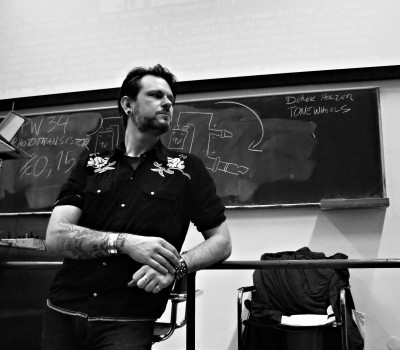
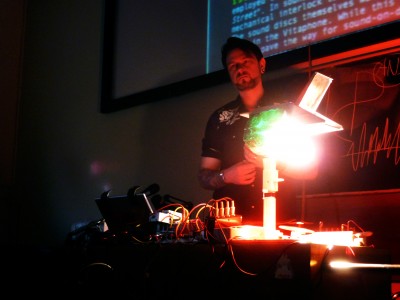
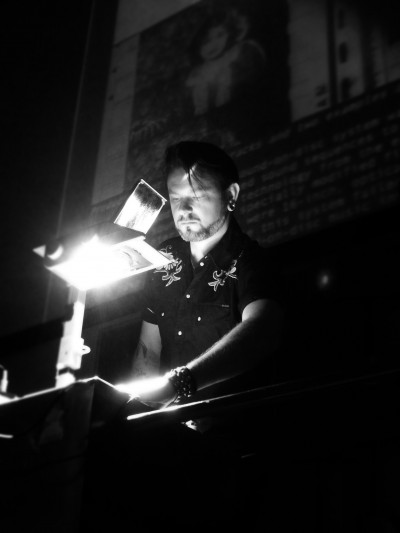
Photos by Andrea Fincato, from a lecture on TONEWHEELS at the University in Padova. Later that evening I performed TONEWHEELS for the Nu-Fest. Hopefully I’ll get some photos of the audience going bananas at that one in the next few days… Thanks to Mauro Martinuz for putting the whole trip together, and for the unbelievable enthusiasm of the students at the lecture in particular!
I stayed up until 4am the night before my flight to Venice (not the wisest idea, to be sure) re-making the Macumbista Mini to include my new Voltage Controlled Slope/Analog Logic module alongside a Polivoks filter and output mixer (not unlike one of the Serge M-Class panels). The new configuration had it’s live debut in Padova, displaying incredible feedback/chaos possibilties which I’ll try to document soon with photos and sounds as well.
Coincidence Engines
Posted in Documentation on February 15th, 2010 by admin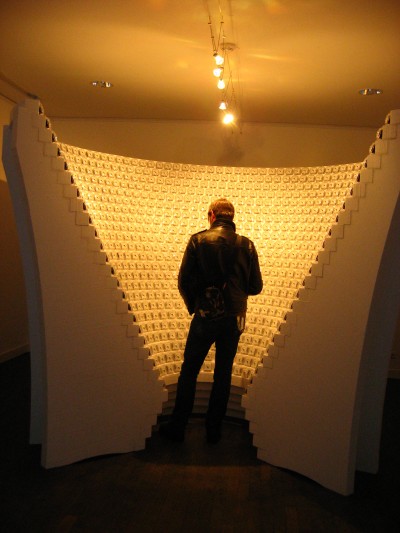
Hypnotized by the unfolding synchronicities of [The User]‘s Coincidence Engine One: Universal People’s Republic Time, at the Transmediale Festival 2010 (Collegium Hungaricum Berlin). Inspired by György Ligeti’s Poème Symphonique For 100 Metronomes, the work features hundreds of cheap plastic clocks, each with its own imperfect little heart. Seconds come like a light rain, and minutes like brief hailstorms. Photo by Elena Kaludova.
This piece reminds me of another, Ligeti-inspired work which I helped Helsinki-based composer Libero Mureddi realize using Pure Data in 2006. Déploration pour la mort de G. L. is a rhythmical canon with 88 voices for Disklavier. Each key plays a constant tempo, the lowest being 40 bpm, with a 0.3 bpm increase per key, starting from low A.
The effect of this piece on the player piano is that dynamic ripples and reflections are created up and down the keyboard as keys move in and out of phase with each other. I think Libero was as startled as I was when we “performed” it for the first time during the Pd workshop!
Video by Egle Oddo.
Now Playing
Lars von Trier–Antichirst[2009 film] (fucking wow!)